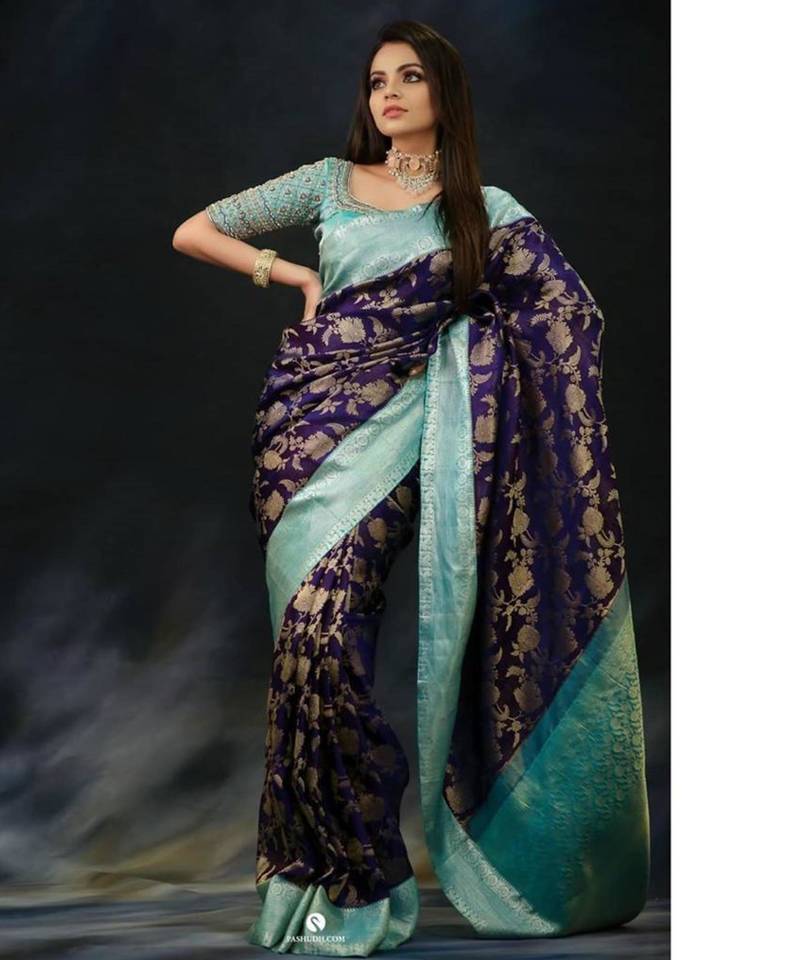
Banarasi silk sarees are known for their opulent fabrics, intricate weaving and classic elegance. Though rich motifs and opulent pallu usually dominate, the border plays an equally important role in defining the overall beauty and craftsmanship of the saree. The borders are a tribute to the fine art and heritage of Banarasi weaving, from delicate floral vines to intricate zari patterns. Knowing the types of Banarasi silk saree borders can help you understand the craftsmanship behind these exquisite drapes. This will help you to take more aware decision while buying a Banarasi silk saree. In this guide, we will discuss the most popular Banarasi saree borders, their unique features and what makes them different from the others.
The Importance of Borders in Banarasi Silk Sarees
The border is one of the most hallmark features of a Banarasi silk saree. It perfectly frames the saree and adds to the richness of the overall design. A good border can enhance the splendour of a plain saree or complement the intricate motifs woven all over the cloth. Traditional Banarasi sarees feature zari work on their borders. Zari is the weaving of fine gold or silver threads into the silk fabric to craft intricate designs. Many of these borders contain traditional Indian patterns inspired by nature, architecture and cultural symbols.
Popular Types Of Banarasi Silk Saree Borders
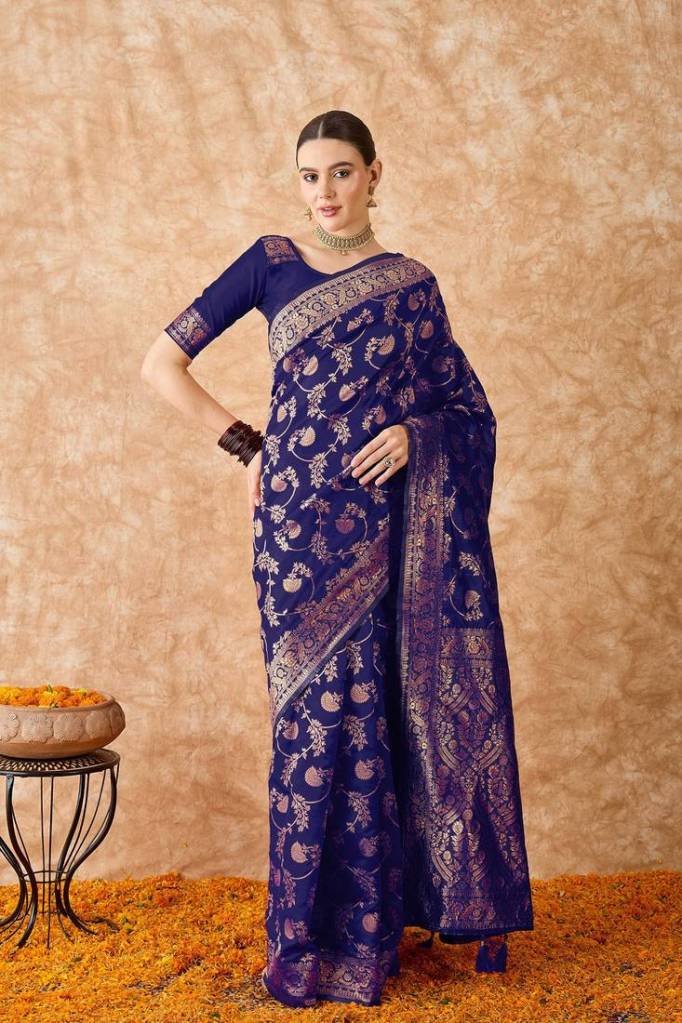
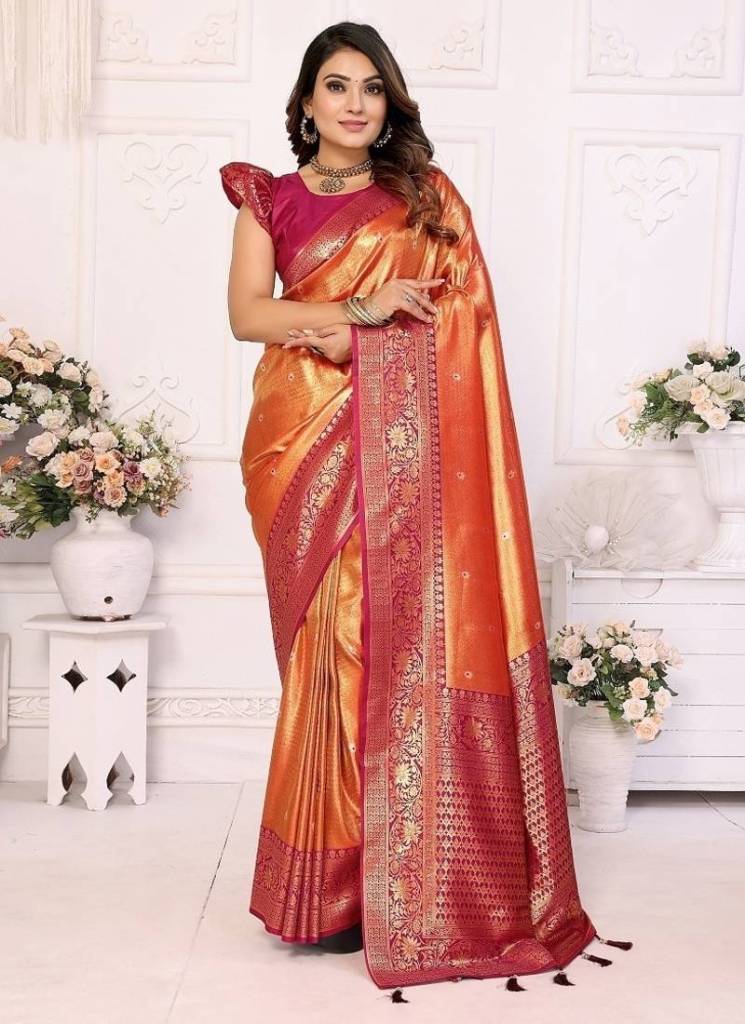
- Zari Borders: Zari borders are among the most iconic features of these sarees. These borders are woven with metallic threads to create elegant patterns that add luxurious shine to the saree. Traditional gold zari borders are especially popular for bridal and festive wear. On the other hand, silver zari designs offer a more subtle and contemporary look. Zari borders can feature intricate floral patterns, geometric designs, or traditional motifs, making each saree a beautiful example of skilled craftsmanship. These borders work especially well with rich silk fabrics, enhancing their regal appeal.
- Floral Motif Borders: These borders bring a soft and graceful charm to Banarasi sarees. Inspired by nature, these designs feature flowers, leaves, vines, and creepers woven beautifully along the edges of the saree. Floral borders are versatile and can be worn for weddings, festive occasions, and traditional gatherings. They add elegance without making the saree look overly heavy. This makes them a popular choice among women who prefer a classic yet feminine style.
- Meenakari Borders: Meenakari borders add a vibrant touch to traditional Banarasi silk sarees. This style combines colorful enamel-like detailing with the richness of zari work to create eye-catching designs. The colorful patterns beautifully contrast with the silk base, making Meenakari Banarasi sarees ideal for festive occasions and celebrations. These borders often feature floral patterns, paisleys, and traditional motifs in bright colors.
- Temple Borders: These borders are inspired by traditional Indian temple architecture and are known for their distinctive triangle patterns resembling temple structures. These designs hold cultural significance and represent tradition, spirituality, and heritage. Temple borders give Banarasi sarees a sophisticated and evergreen appeal. They are especially popular among those who appreciate traditional weaving techniques and want a saree that reflects India’s rich artistic history.
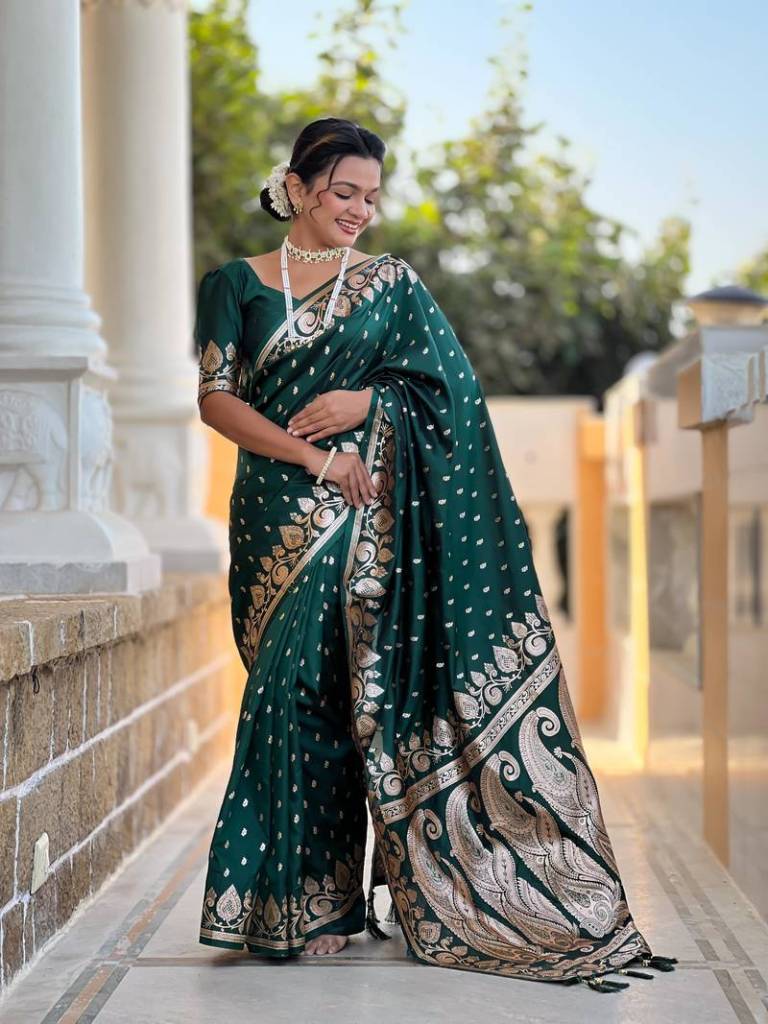
- Paisley Borders: Paisley, also known as the mango motif, is one of the most loved traditional designs in Indian textiles. Paisley borders feature beautifully woven mango-shaped patterns that add a royal and artistic touch to Banarasi silk sarees. These borders are perfect for women who prefer traditional designs with a luxurious feel. Paisley motifs are often combined with zari work, floral patterns, and intricate detailing to create a stunning festive look.
- Geometric Borders: These offer a modern twist to the traditional Banarasi sarees. These designs feature patterns such as lines, diamonds, checks, and symmetrical shapes, creating a structured and elegant appearance. They are a great choice for those who want a balance between traditional craftsmanship and contemporary style. Geometric borders can make the saree look sophisticated and suitable for both formal and festive occasions.


Leave a Reply