
At present party wear lehengas are among the most fashionable and versatile clothing options for attending weddings, receptions, festive celebrations, and evening parties. The number of lehenga styles has increased substantially from what they were in the past, due largely to modern fashion trends. However, sequins and embroidery remain the most popular designs of lehengas. While both types of designs are elegant and extravagant, they create two distinct fashion statements. The difference between a sequinned lehenga and an embroidered lehenga is determined by four factors — personal style, comfort level, type of event, and general trendiness. Learning the differences between each of these two styles will enable you to select the best style for your next celebration.
What Makes Sequins Lehengas So Attractive?
Women love sequins lehengas because of their glamorous and dazzling qualities. The fabric is embellished with reflective, tiny embellishments, creating a unique sparkle that draws immediate attention. Sequins lehengas can be found at cocktail parties, receptions, sangeet ceremony, glamorous parties or any type of special occasion. Due to their reflective properties, sequins shimmer in the light giving the illusion that they are a luxurious modern outfit.
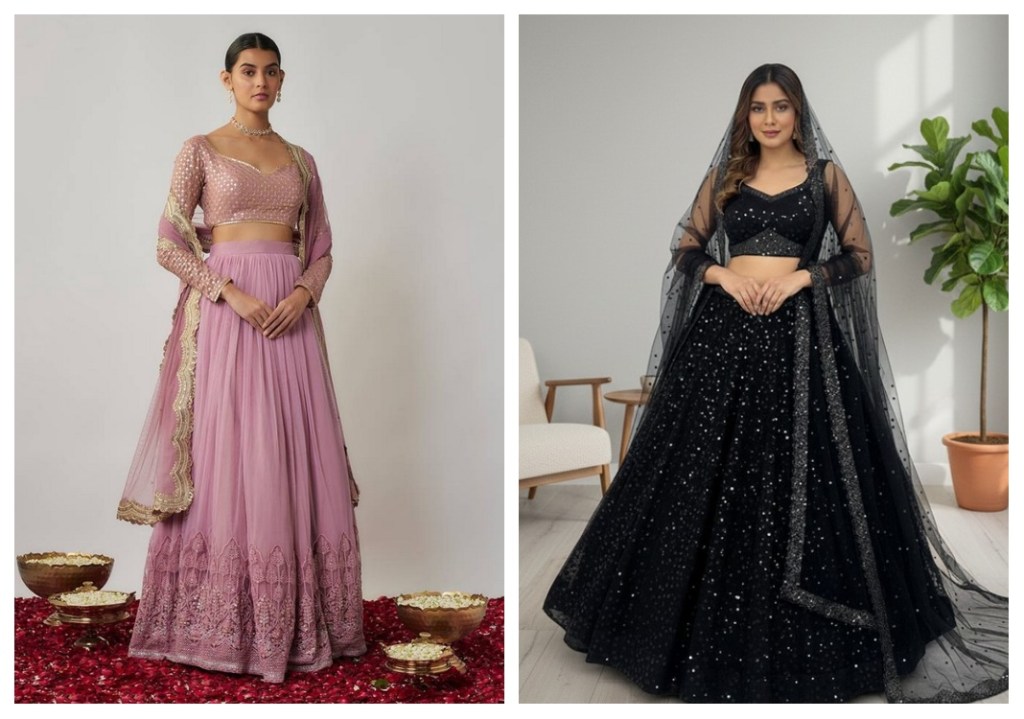
Fashionistas who are bold and want to make a statement often gravitate toward sequins lehengas because of the dramatic and stylish appearance they create. They come in many popular colors such as silver, rose gold, black, champagne, emerald green, and midnight blue. A sequin lehenga provides a trendy modern Bollywood-style party look without needing many accessories because the lehenga is typically the focal point of the outfit.
Why Embroidery Lehengas Remain Timeless
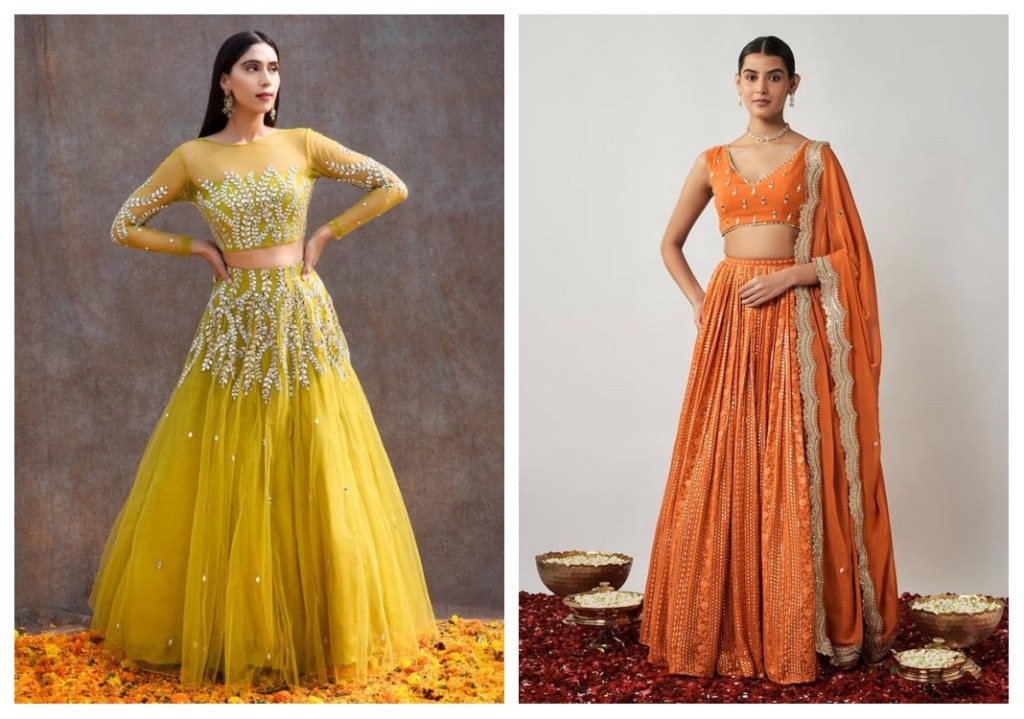
Lehenga with embroidery has always represented classiness, craftsmanship, and traditional beauty. They have an elaborate amount of decorated thread, zari, mirror, stone, or a handmade embellishment, which gives the lehenga some class and dimension. Embroidery is different from sequins; although it does not shine as much (which makes it appropriate for events with traditional elegance) it focuses on its artistic details.
The women who enjoy the traditional-like grace and classic fashion, will usually wear an embroidered lehenga because they are timeless. Embroidery on a lehenga is best for weddings, engagement parties, festivals or cultural events where the beauty of traditional elegance is valued. Common fabrics used for making lehengas with embroidery are silk, velvet, georgette or organza, all of which will make the embroidered work more luxurious. They provide an air of royalty and dignity that look fantastic for all ages.
Choosing Based on the Occasion
Different types of events highly influence the choice between sequins and embroidered lehengas. Sequin lehengas would be best suited for fast-paced and lively functions like cocktail evenings, DJ parties, and contemporary wedding events, where all of the glitz and glam and ample reflectiveness gives it a trendy, fashionable appearance that stands out in such a setting during the nighttime.
On the contrary, embroidered lehengas are meant for traditional ceremonies, family gatherings, religious festivities, and during wedding customs. Such lehengas flaunt intricate detailing and a look of elegance and sophistication without looking too gaudy. They feel typically more appropriate and elegant at formal or culture-based events.
Comfort and Styling Differences
When selecting a lehenga style for comfort, you should take into consideration how much weight the garment holds. General embroidery has been known to weigh more than any other type of craftsmanship, therefore choose the type of design accordingly.
Many modern lehengas are made from breathable fabrics, unlike those that have heavy sequin work on them. Therefore, they may not want to wear those dresses at events longer than a couple of hours.
In addition, depending on the type of embroidery used to create the lehenga will also determine the overall weight of the garment. Thread embroidery will typically weigh less than heavily decorated hand work; however, how informal or formal you want the lehenga could also play into how you chose to wear jewelry with your lehenga. Many people like to pair a sequin lehenga with very little to no jewelry spent on it since the glitter has made enough of an impact on the overall appearance of the garment. In contrast, most prefer pairing embroidered lehengas with traditional jewelry sets, large earrings, and adding to the overall elegance of the lehenga by using dupatta draping techniques.
Which Lehenga Style Matches Your Personality?
Ultimately, your personal taste in clothing and style preference will be the primary factors in making your decision as to which type of lehenga to wear. If your personal style leans towards being trendy, fashionable and blingy, then you might want to go with a sequined lehenga. The sequins represent a modern day and an edgy person who likes to stand out in crowds and have their outfit noticed. Women who are involved in trying new or trendy fashions will probably feel connected to sequined lehengas. If you like a more classic look, then you will want to choose an embroidery lehenga. These types of lehengas represent sophistication and traditional beauty, while providing a luxurious finish. For women who appreciate wearing timeless pieces of clothing that will remain fashionable for years, an embroidered lehenga is a good choice.
 Fashion for Life
Leave a comment