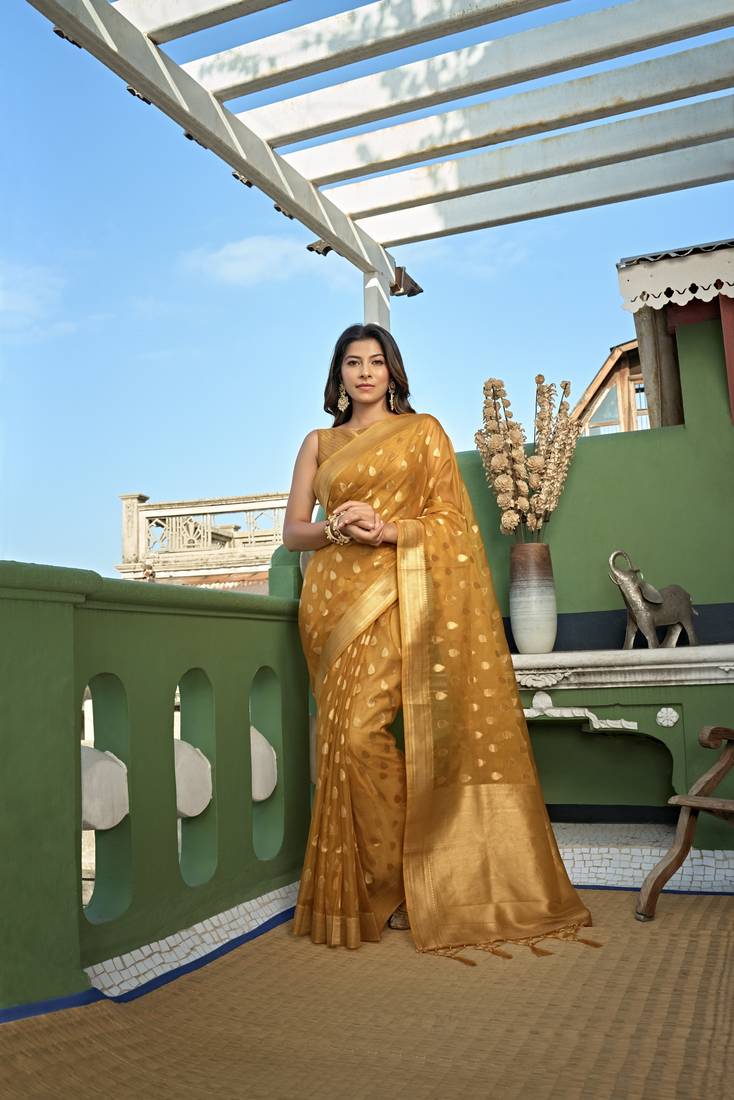
The saree has been worn by Indian women for centuries, and every region has its own signature way of draping it. These fashions speak of culture, comfort, and beauty. Few garments are as versatile as a sari; you can create an entirely new look depending on its drape. From a formal occasion to a casual family situation, the right drape can make a big style impact. Here are eight gorgeous sari draping styles found through India, plus a bonus on why regional draping still survives to this day.
1. Nivi Style (Andhra Pradesh & Telangana)
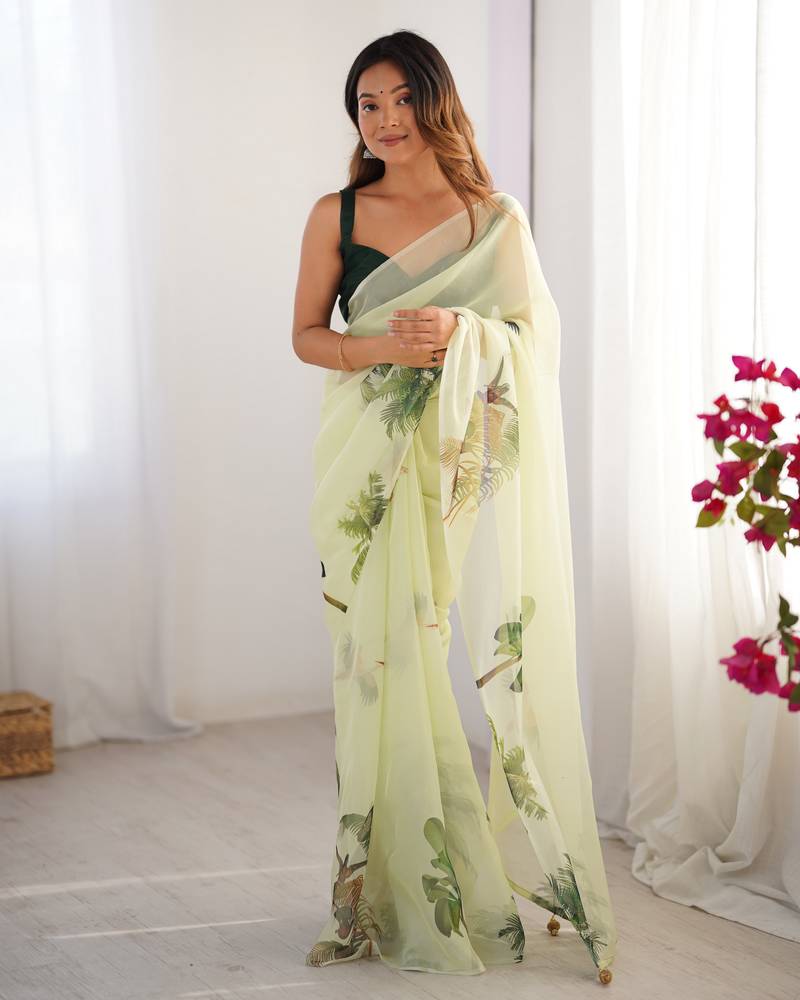
The sari is worn in the Literate Style. The Nivi drape is today’s most popular style of sari drape in India. It is pinned neatly in the front and forms neat frontal pleats with a pallu on the left shoulder. This drape can be worn with all types of sari fabric like cotton, silk, georgette and chiffon. Easy to wear, beginner-friendly, and ideal for work, family gatherings, and daily use.
2. Maharashtrian Nauvari Style (Maharashtra)
It requires a nine-yard saree to then tie it in the form of ‘dhoti’. This flowy style was perfect for ease of movement, and that’s why female warriors would wear it. It holds great cultural significance, especially in Maharashtra, and can be draped during wedding processes, dance performances, special occasion wear and at other regional events. The traditional atmosphere is accentuated by the long pallu.
3. Kerala Mundum Neriyathum (Kerala)
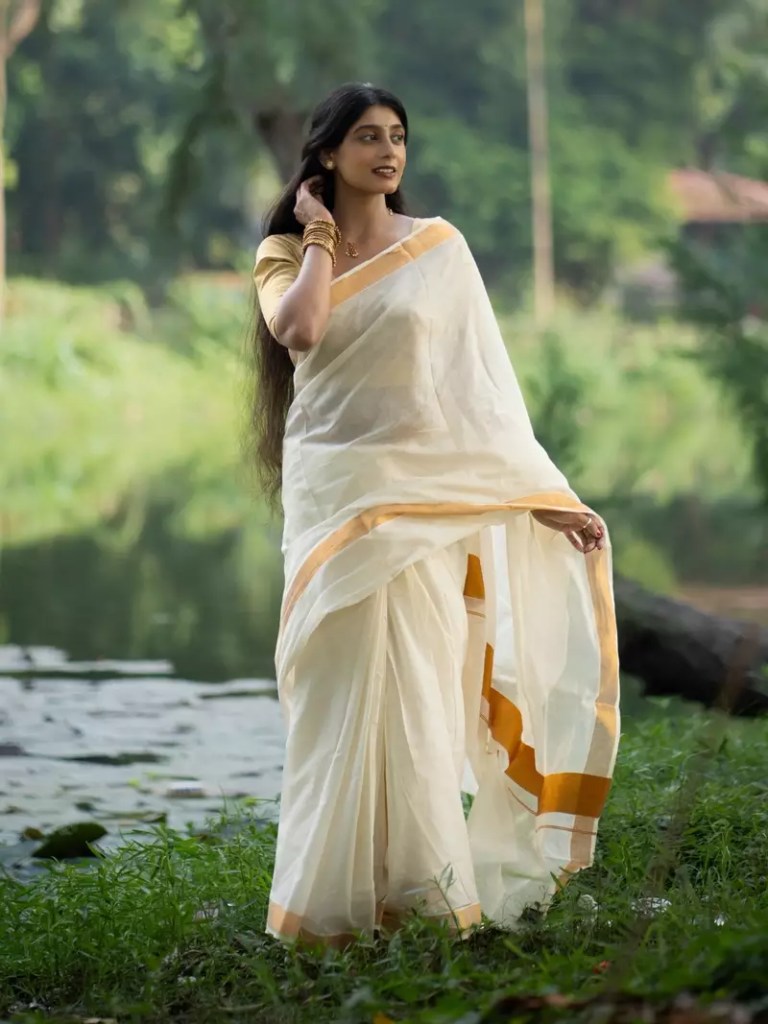
Kerala’s signature two-piece sari, the Mundum Neriyathum, is usually white with gold borders. The lower part is worn like a skirt, while the upper portion drapes gracefully over the shoulder. It provides a neat and structured appearance and is usually worn for Onam or cultural events. A touch of beauty in an effortless way, the handwoven fabric and gold borders.
4. Bengali Style (West Bengal)
Bengali style is noted for the drape’s graceful flow. Usually bearing no front pleats, it has a long pallu and is also draped around the shoulder twice. Handloom saris, Pure cotton sarees, and silk blends look so pretty in this style. The women of Bengal wear it at cultural functions, during family rituals and also on festive occasions. Its lightweight offers cool, easy wear in hot weather.
5. Gujarati Style (Gujarat)
Known for its front pallu style, this Gujarati drape is closely associated with festive and traditional occasions. The pallu is draped on the chest and then pleated and tucked at the waist. This drape accentuates heavy borders and is perfect with embroidered saris. It creates a lovely, structured look as well, making it perfect for colourful occasions.
6. Tamil Madisar Drape (Tamil Nadu)
Madisar is a popular way of draping in Tamil Brahmin occasions. The fabric is wrapped between the legs and over the shoulder, creating a structured and dignified look. This saree is traditional and worn for temples or big celebrations. It provides a dignified, classic look.
7. Coorgi Style (Karnataka)
The Coorgi drape is a little offbeat; in this style, we tuck the pleats on the back. The pallu is worn over the left shoulder, which makes it different. This style is also used by ladies of Coorg in the time of devotional programs and special family functions. This drape is well paired with cotton /silk saris as it provides a stiff structure.
8. Assam Mekhela Chador (Assam)
In contrast to other styles, this is not a single piece but two pieces of cloth for the Mekhela Chador. The lower portion is a cylindrical drape, and the upper, decorated part is a modified pallu. It displays Assam’s weaving skills and looks most beautiful in silk blends like Muga and Pat. This drape is commonly worn for weddings, holidays and traditional gatherings.
Why Regional Draping Styles Continue to Trend
Though much has changed in fashion, regional sari draping continues to stay relevant because it helps establish identity and comfort. And each style is suited to the local weather, culture and lifestyle. These drapes are also favoured by many women for family occasions, cultural festivals and specific events. These hairstyles provide a link to culture and also unlimited styling options.
Final Thoughts
How a Sari is draped across India, the world over, illustrates how one garment can be styled in various imaginative ways. Be it a plain Nivi drape to an opulent cultural drape style such as Nauvari or madisar, each and every drape is charming. Experimenting with different styles of draping is a fun way to find new looks and to love on the story each one has.
 Fashion for Life
Leave a comment