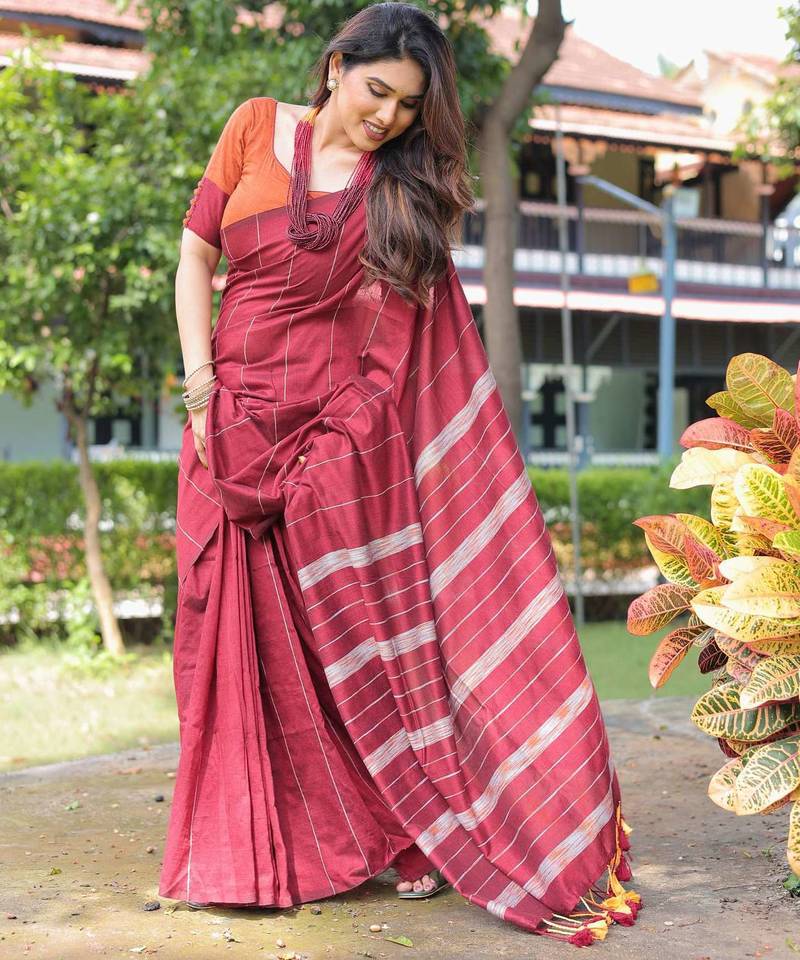
For centuries, the textile industry has offered us traditional Indian fabrics that are delicate, striking, and most importantly, part of a heritage bigger than us. From the stunning silk sarees to the wispy khadi muslins, the Indian weaves are not just pleasing to the eyes but are the embodiment of artisanal vision and skilled craftsmanship. Nothing less than a collectible, the traditional Indian clothes are made to be handled extremely carefully to maintain their sheen, quality, and longevity. Be it sarees, salwars, or other ethnic garments, every traditional weave carries a legacy that must be stored and appreciated. If you have several exquisite Indian outfits in your closet and are unsure of how to take proper care of them, then this guide is for you.
Store Your Clothes In An Airy Environment
Make sure your ethnic garments, especially fabrics such as muslin, pure cotton, silks such as Banarasis, Kanjeevarams, and Patolas, are not stored in an environment where humidity exists. This will make the fabrics trap in the excess moisture and will result in spoilage of the clothes. You should also strictly avoid storing the clothes in plastic or synthetic covers. The garments should be stored in a way that there is proper air circulation. If the dress is embroidered, then while folding it, the best way to go is to fold it inside out if they have zari or any other embellishment work, so that the embroideries do not brush against each other. Another crucial point to note is that sarees with heavy embroideries should be folded and kept flat instead of hanging them, as it can ruin the shape of the sari by stretching it out.
Let Your Clothes Breathe Routinely
Even when stored in perfect conditions, these fabrics need to be occasionally taken out and unfolded to keep them fresh. Keep your outfits, especially sarees, out in the open for a few hours and then fold them in a different pattern to prevent lines on the saree from being folded in the same way for too long. While letting your saree refresh for a couple of hours in the open, make sure it does not come in contact with direct sunlight, as harsh sun rays may spoil delicate fabrics and natural dyes.
Careful Cleansing of The Clothes
Washing or cleaning silk and velvet sarees or other similar delicate Indian weaves at home is generally not recommended. These fabrics are usually dry cleaning only and might get ruined if washed without proper care at home. However, cotton clothes can be cleaned at home if properly done.
Pest Control Your Fabrics
Natural fabrics are at a high risk of being exposed to pests. Therefore, make sure to dry your clothes fully before folding and storing them. Occasional check-in of your sarees and other garments is a must to ensure no pest damage is done. You can take natural precautions to prevent pest attacks by keeping clove, clean neem leaf, or dried lavender inside the closet where your clothes sit.
Iron Your Weaves With Ease
The muslin, tissue, and silks are best given over to professionals for their ironing. Meanwhile, the other fabrics can be ironed at home, given that proper safety measures are taken so that the delicate embroideries remain intact. The fabric must be ironed or steamed at a semi-heat level, and a thin cloth is recommended to be put between the fabric and the iron to prevent accidental over-ironing.
 Fashion for Life
Leave a comment