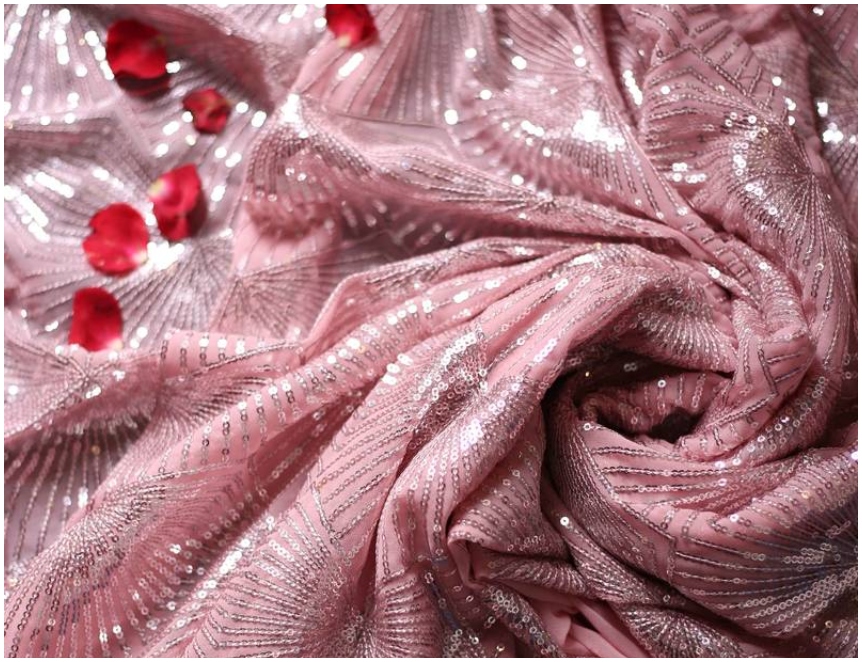
Indian wear is all about glory, and the whole world is crazy about it. It has its own traditional vibes that can be identified in the crowd. And out of all the Indian wear, the Saree is a garment that suits every woman, and it is hard to compare its glory with anything else. It is recognized as the most loved and popular Indian Wear across the globe. Besides India, it is also worn in countries like Sri Lanka, Pakistan, Bangladesh, and Nepal. Even in India, you can find many different ways to wear a single saree. From different occasions to quality, the market is full of all types of sarees.
What Are the Unknown Facts About Saree?
- Saree is much more than an uncut piece of handwoven cloth, and now it is available in many different fabric options.
- You can drape a saree in many different ways, depending on the Indian region you are from.
- It can be from 3.5 yards to 9 yards in length.
- It is effortless to wear, and you can never forget the technique of wearing it.
- Saree manufacturing supports millions of handloom weavers in our country.
- Sarees have their own sentiments, and that’s why most women wear them on Indian occasions and make millennial memories.
How to Check the Originality of Sarees?
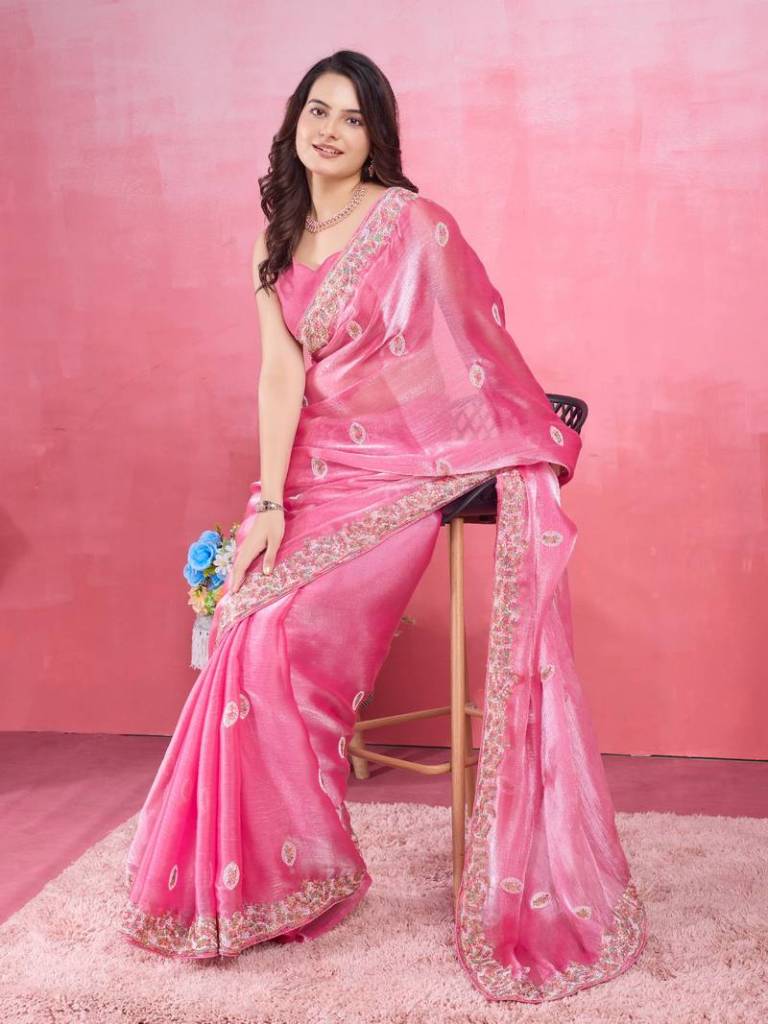
When you are buying Sarees online, it is essential to know how to check originality and quality. Half identification you can by checking its price, but you need to perform some simple tests to check for the other half. Here is what you can do:
- To check a Banarasi saree, reverse it and check its floats between the grinds of the wrap and wefts. Machine-made sarees fail to replicate this hand-woven thread technique. You can even look for a plain silk patch of six to eight inches long on its pallu, as it is only found in original ones.
- To check the originality of the Patola Silk Saree, look for a locking design at the back of the saree. Additionally, its color can stay on for at least 300 years, so you can look for its color fading away or not.
- To check a Kanjivaram Saree, make a scratch at the zari and look at the emergence of red color from its core. Also, an original one will have three-ply silk, so look for it. The heavier-weight saree is always better.
- To check the chanderi silk saree, rub your hands over it and look for the sound of walking on snow. It only comes in the original ones.
- To check the originality of the Cotton Saree, look for the natural color or dye usage, the hand-embroidery technique, the tight treads on the reverse of the pallu, and designing as no design on the saree will be precisely identical.
 Fashion for Life
Leave a comment