
Anarkali suits owe their name to the fictional Anarkali, a courtesan in the court of Mughal emperor Akbar who was legendarily expelled from the kingdom for her illicit relationship with the Crown Prince Salim, who would later become the Emperor Jahangir. The word Anarkali literally means the ‘delicate bud of the pomegranate flower’. This name signifies the qualities of softness, vulnerability, innocence, and beauty associated with the women who wore Anarkalis.
Anarkali Shalwar suit is a form of women’s dress originating from the Pakistani city of Lahore The Anarkali suit is made up of a long, frock-style top and features a slim fitted bottom. The Anarkali suit varies in many different lengths and embroideries including floor-length Anarkali styles and knee length Anarkali styles. Anarkali is a beautiful and opulent ethnic dress that symbolizes a rich and ancient history. The Anarkali as it came to be known, had full or half sleeves and modest necklines at that time. The materials used were silks, muslins, cotton and brocades. The use of floral motifs, block printing, and kalamkari (patterns created using a pen), gold thread work around precious or semi-precious stones were made popular by the Mughal culture.
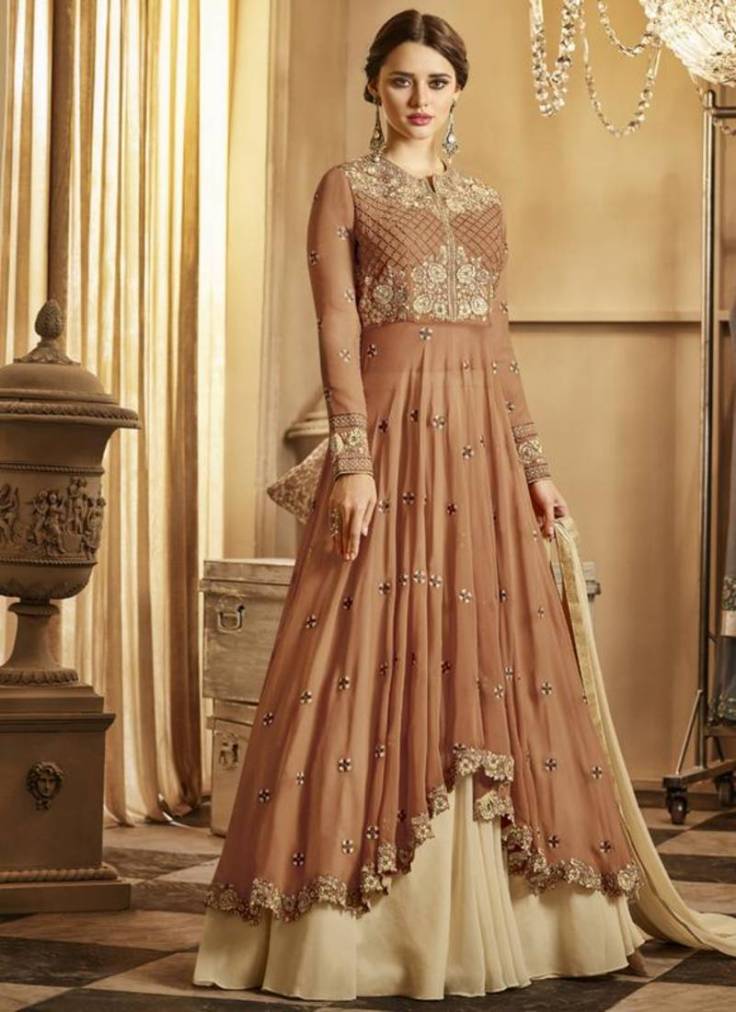
The Making
A simple Anarkali suit takes 3 to 5 days to be stitched and the time taken varies due to the fabric, cut, embroidery or product to be embellished. They are generally worn with a dupatta in the same fabric or with a net stole. Fabrics are readily available along with the various kinds of sequins, mirrors, beads, zari, faux pearls and much more, but it is easier to get the outfit stitched.
Types
It is an example of the ever-changing trends in Indian ethnic wear keeping in mind global fashion. In addition to the traditional silks, brocades, cottons, synthetic fabrics are being combined lately. The use of rich colors like red, magenta, gold, and dark green paired with printed borders, embroidered zardosi designs with floral backgrounds are considered stylish. Anarkali for bridal wear is in a lot of demand around the globe. It is traditionally worn by women across South East Asia.
Layered Anarkali Suits-This type of salwar suits online showcases numerous layers and creases to elevate its bounce effect. These layers are also responsible for the frock style slant position throughout your swirls.
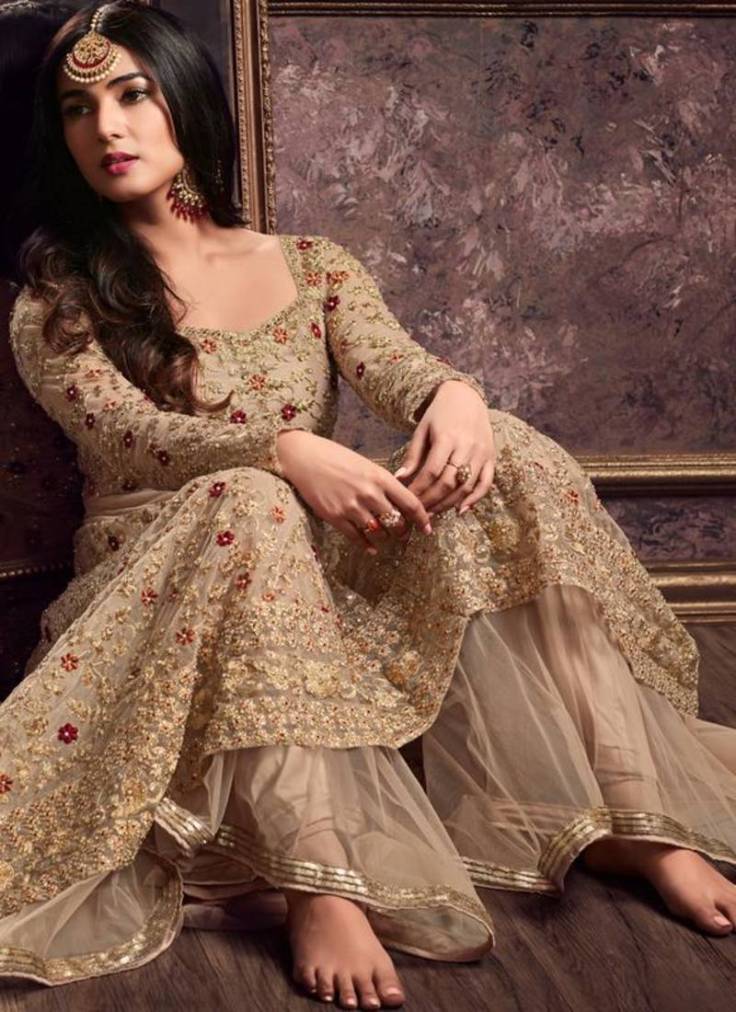
Floor Length Anarkalis- Of course, as the name suggests these Anarkali suits have longer blouse designs and have broader blouse patterns and they end till floor reaches. Floor length Anarkalis are the fave of every party preachers and festive wanderers. The long torso and bottom length give full space to grab awesome work patterns and crafts such as long embroidery, prints, thread work or patch work and etc.
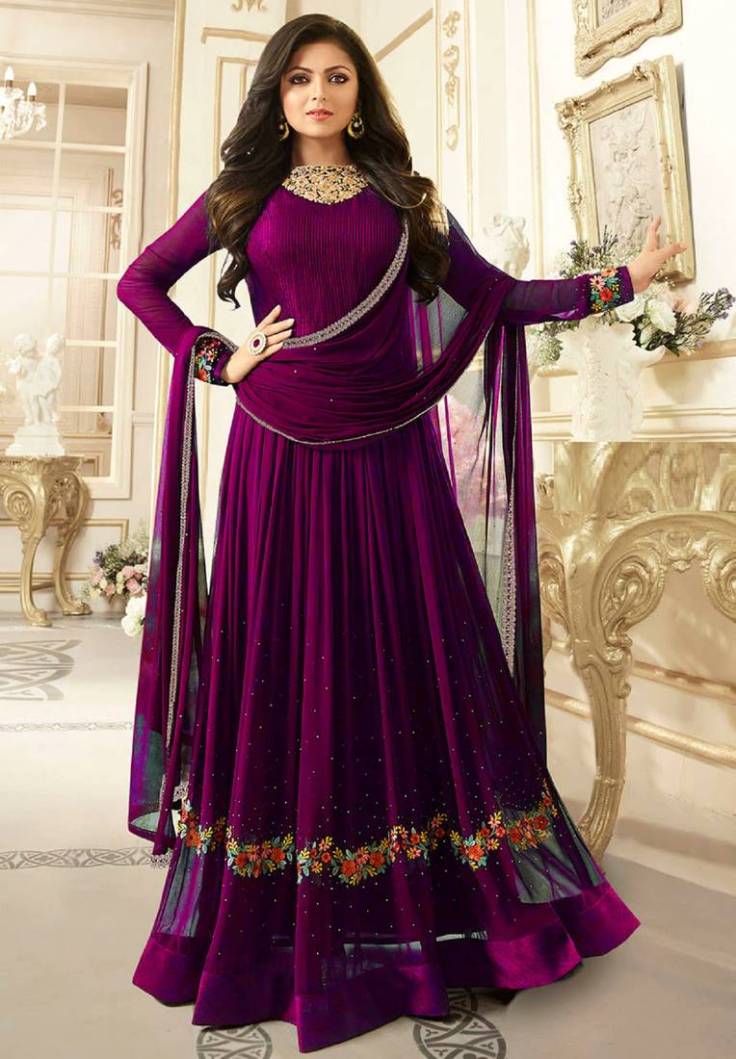
Tail Cut Anarkali Suits– Tail cut Anarkalis have longer tail style at the back which means higher the base frills are higher at the front as compared to the back. The placement of these frills gives it a look of fish tail. A great advance when adorned by a petite woman.
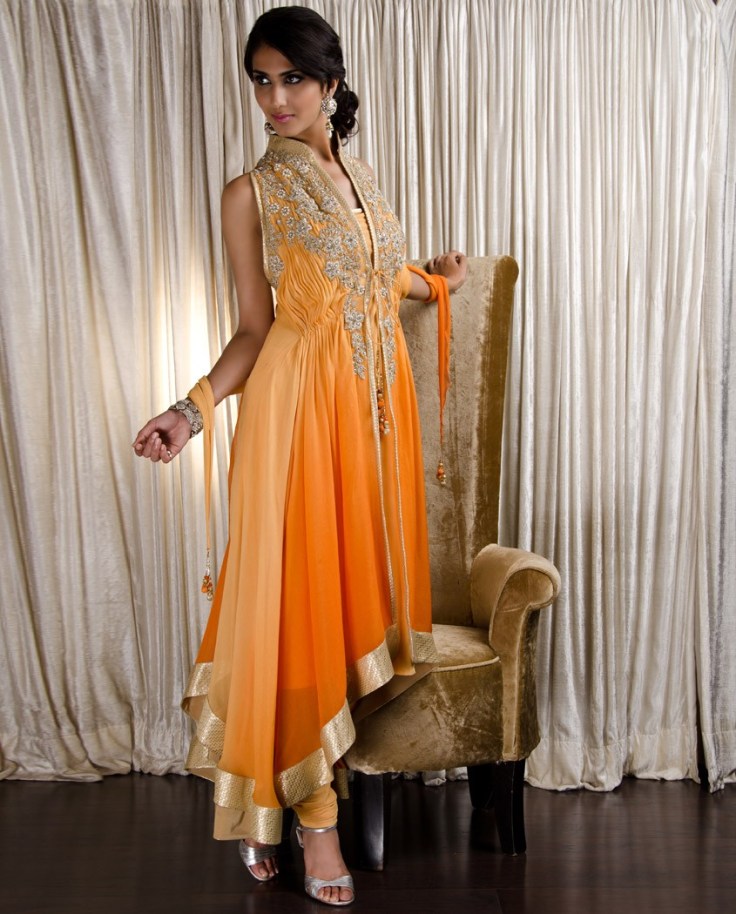
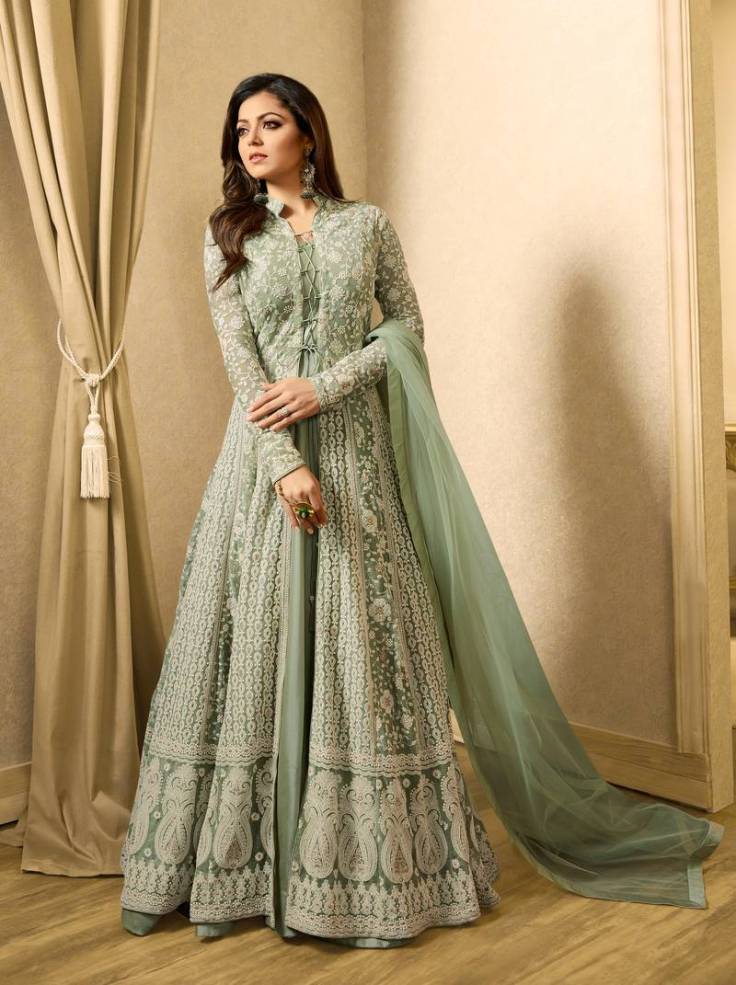
Anarkali Gowns- Anarkali gowns are the next level preaches of ethnic Anarkali suits and we can see that well here. You do not have to showcase your dupatta talent here but just need to pull on your inner confidence to pose like a pro. They are rich in colour, designs and work patterns. But little subtle than the traditional ones.
Style and Attire
The types of fabrics include net, viscose, georgette, chiffon and lace. Embroideries like appliqué, Phool Patti, Bagh, Chikankari, Kashmiri kashida, Soof, Gota, Ahir, Kantha stich, Kathiawari, Kutchhi, Badla, Mirror work, patchwork and much more. The shades of color used for the Anarkali are not ordinary. Colors like ochre, teal and fuchsia are combined with regular colors to create an interesting mix.
The use of contrasting colors is a notable aspect of these suits. They look simple or extremely decorative due to the embroidery on neckline and sleeves. Sometimes lace or Gota work is used around the waist, neckline and even in the flares to create a striking effect. The use of heavy embroidery on solid colors changes the look of this suit, and in contrast usage of delicate prints or patterns can turn the Anarkali fit for casual wear. The suit is a combination of the old and new, echoes of Mughal culture fused with international fashion trends.
Present Day Scenario (ANARKALI DISCO CHALI)
Right from wedding celebrations, parties, festive occasions and social soirees this elegant dressing is loved by women of all ages because of its form and rich look. The suit is being worn by film personalities, society divas and for public appearances and is available at branded outlets of Indian wear and designer boutiques.
Innovations
The latest trends combine bustier style bodices, ornamental tie ups in front and bodices with patchwork. It feature the use of a fabric such as chiffon or net stitched over a brocade or crepe suit. Contrasting the churidar with the Anarkali is trendy. High necklines and low backs have become chic.
Maintenance
This suit requires being dry cleaned every time and stored away from sunlight. Indirect ironing is advised. The Anarkali in cottons, chiffon, nets and in a combination of light fabrics can be worn in the summer. Brocades and silks are suitable for colder temperatures.
 Fashion for Life
Leave a comment